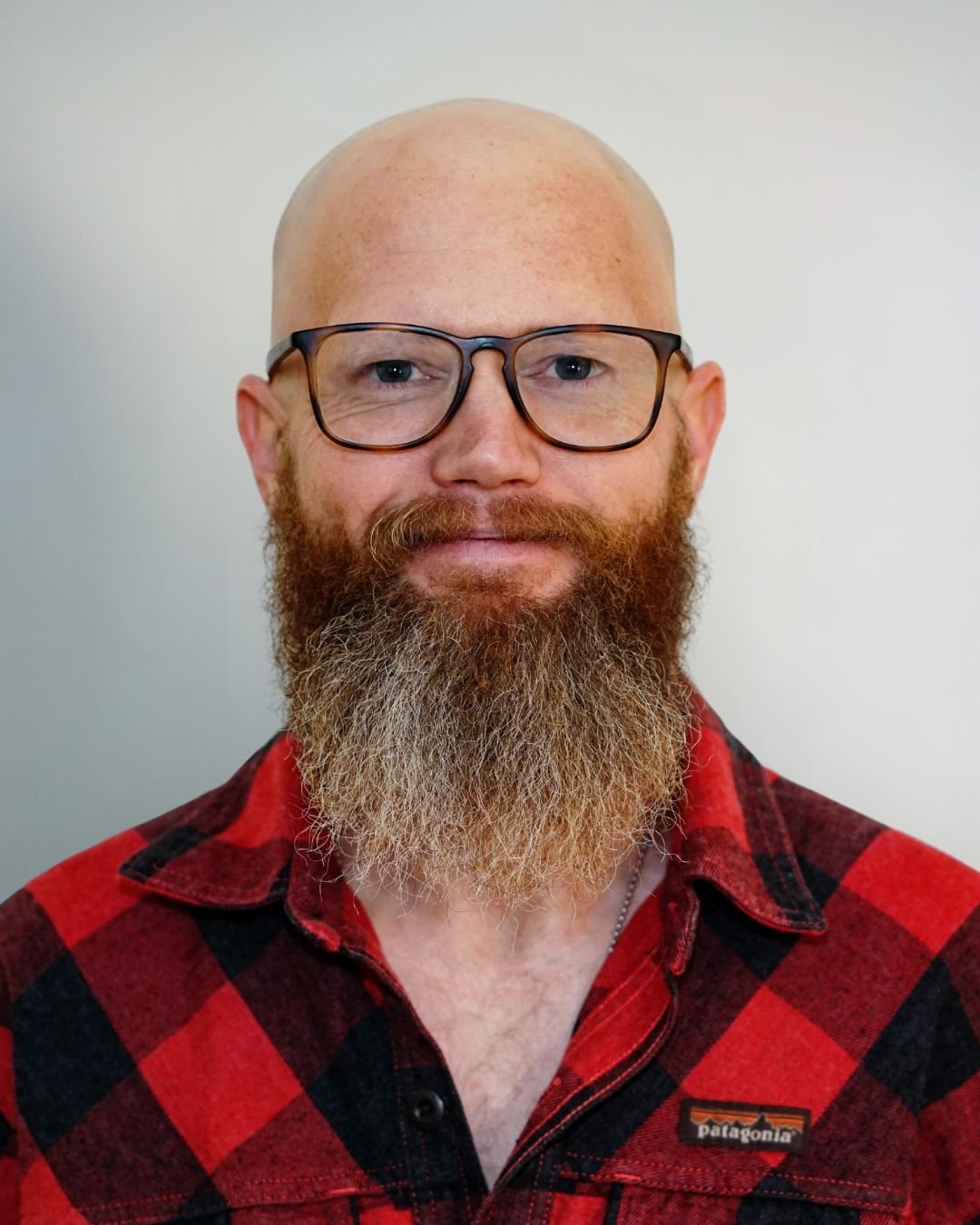
I Bet You’re a Poet, I Can Hear You Wiggle
On Family, Forgiveness and the Way Forward with Rodney J. Lee
By Andrew Romanelli | Photos by Tyler Boshard
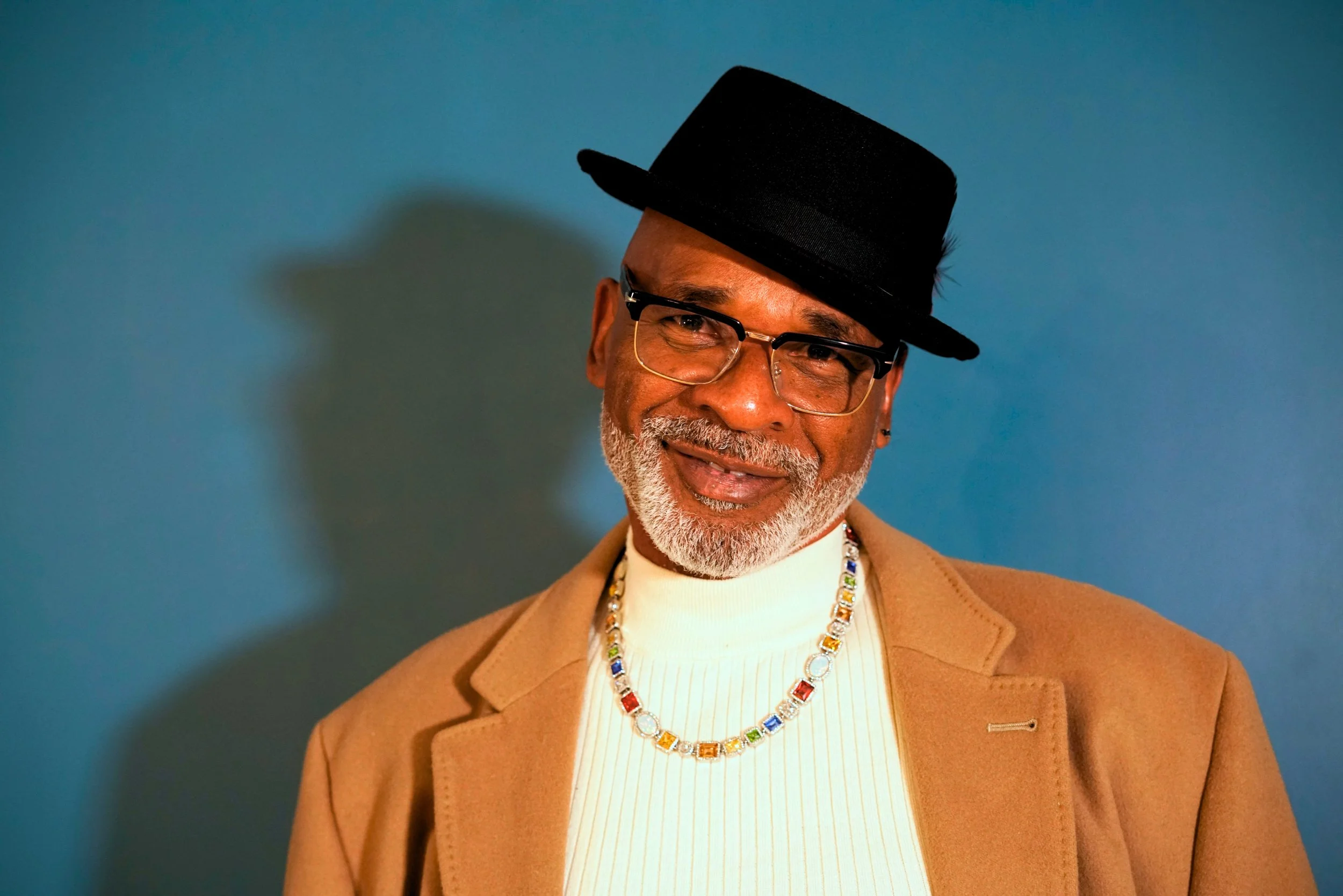
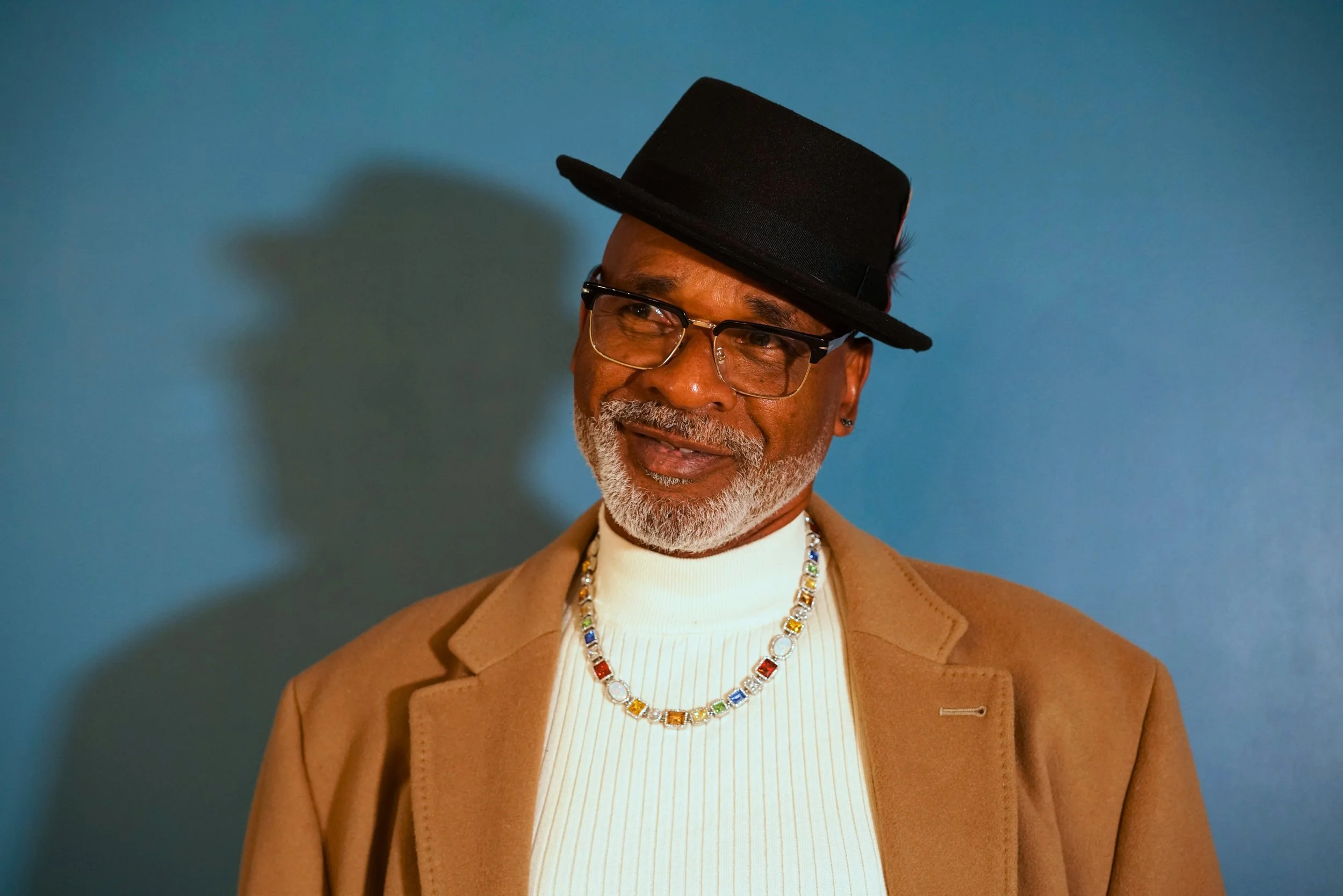
It’s a Thursday night in the heart of the Arts District. I’m on Main Street, about to walk into Echo-Taste & Sound. A place of crafted cocktails, mocktails and artful small plates by Chef Natalie, set in a hi-fi listening lounge with a state-of-the-art McIntosh sound system. It’s a step up for Las Vegas. Inside it’s bluesy, rhythmic, lithe and loose. That’s Grant Green spinning on the turntable. He’s a jazz guitarist once obscure, now experiencing a renaissance in listenership, pairs nicely with who I am here to see, one of this city’s hidden gems of the poetry scene, Rodney J. Lee. Tonight he’s reading from his new book “Soul Brothers”(Zeitgeist Press). How fitting that a place all about the sensory is hosting Rodney whose readings are packed with passion. These synchronicities allude to the remarkable night about to unfurl.
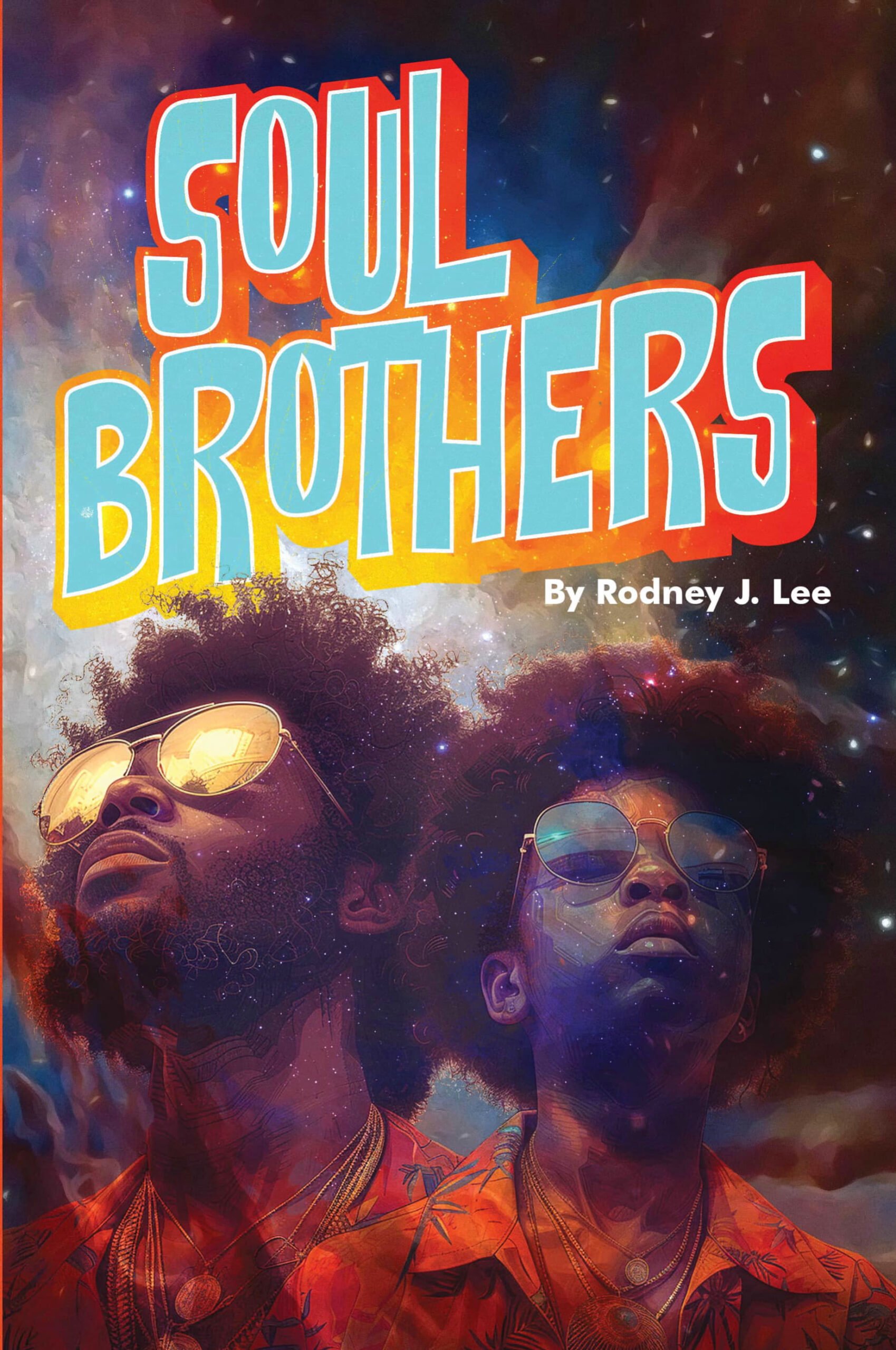
A great new book by the author of Along These Trails and the Las Vegas classic spoken word artist! A story of growing up in America, of the illusions and side effects of war, how cruelty and disdain affect the young, and how to navigate families to a better place. Not to be missed!
“...a modern epic that owes as much to Homer as it does to the Last Poets. It is a verbal history brought down to the page, in… land of titans, magical queens, disco ball fractals, adrift in a sky-blue Chevy Malibu on a sea of significant constellations. Where family is both divine law and divine judgement…” From editor James Norman
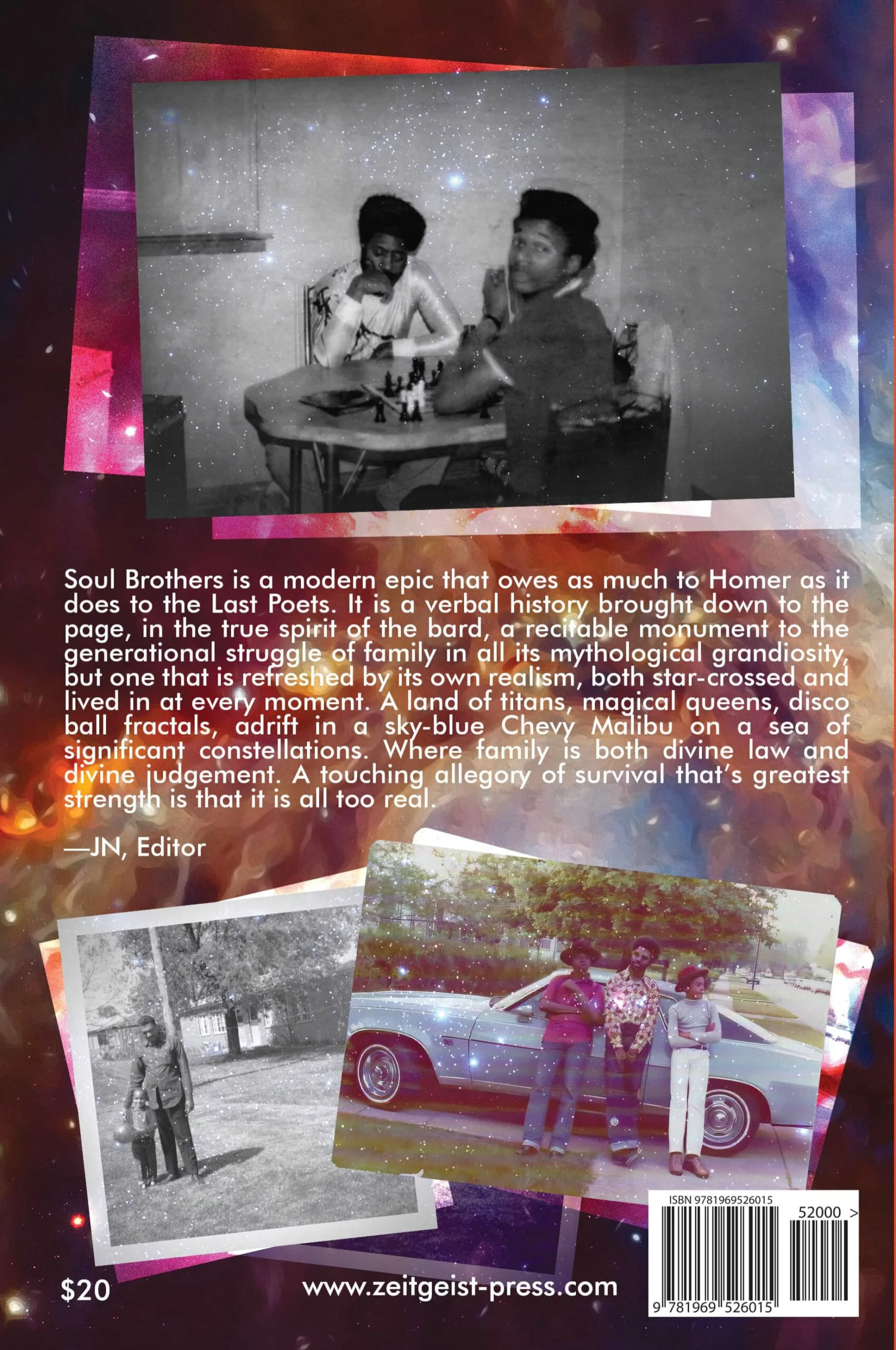
Poetry is one thing to dabble at, another to buckle down and go for broke. Harry Fagel, who wrote the introduction to “Soul Brothers” describes the life of a poet as this: “you are allowing the world to hit all your vulnerable places and you don’t do anything about it, other than observe and report… you become a poet by experiencing the pain of the world directly, and having the ability to describe it in a detail that causes feeling in the audience or reader.”
Most who venture into writing and reading poetry in front of an audience don’t stick with it. The ones who do have something in them, they are possessed by it. Gwendolyn Brooks, the first African American to receive a Pulitzer Prize, could see it in Rodney as she visited his school, proclaiming to the fourth grader, "I bet you're a poet. I can hear you wiggle."
Rodney was born in Gary, Indiana, where he lived with his mother. He credits his grandfather (born in 1887) who lived on and off with them until he died in 1978 as his “hero and my inspiration for the oral tradition, storytelling—telling them ‘old lies’ as he called it. I learned the craft from the knee of a master. African American folktales poured from his mouth and entertained me for hours when we were home alone.” Rodney struggled in school, repeatedly in trouble “seeking attention, be it positive or negative.” It took a teacher’s intuition to turn that energy into something creative by casting Rodney in his first play. Another one of his teachers, this time in the sixth grade, had a similar sense, giving Rodney the lead in a play. Theater all out consumed Rodney in the summer of 1976 when he encountered Stephan Turner, who would be his director at the Gary Creative Workshop. This was “an actual community theater whose purpose was to uplift our downtrodden community and nourish the minds, eyes, and ears of the masses.” Many members were affiliated with the All-African People's Revolutionary Party, headed nationally by Kwame Ture (formerly known as Stokely Carmichael).
“Meeting him in 1980 was one of the highlights of my young life.” Rodney’s mother gave him a choice; he could either go to his prom or go march in Washington, D.C., for African Liberation Day to protest the South African Embassy and to stand for the Palestinians. “I was all in as a young revolutionary.”
A performance of the poem “H2Ogate Blues” by Gil Scott-Heron won him first place in his school’s oratory competition, further sparking his transition to poet. Soon he was filling notebooks, smoking pot in apartment stairways all along Fifth Avenue in Gary, Indiana, forcing his friends to listen to his poems.
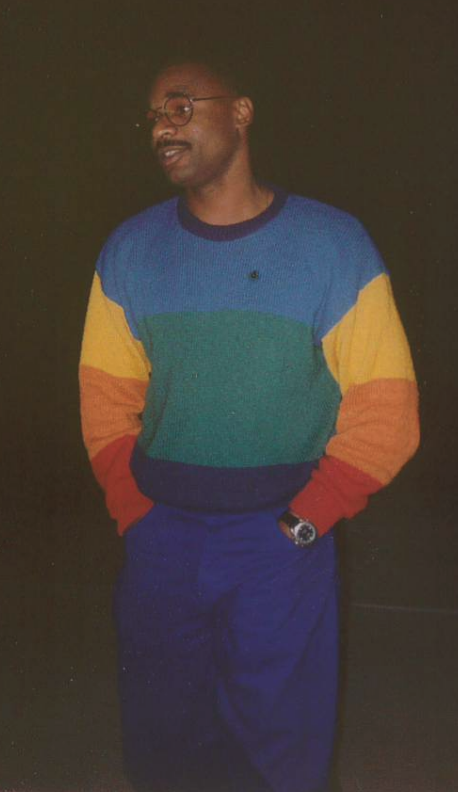
Rodney in the early 90’s at the KUNV Radio Station.
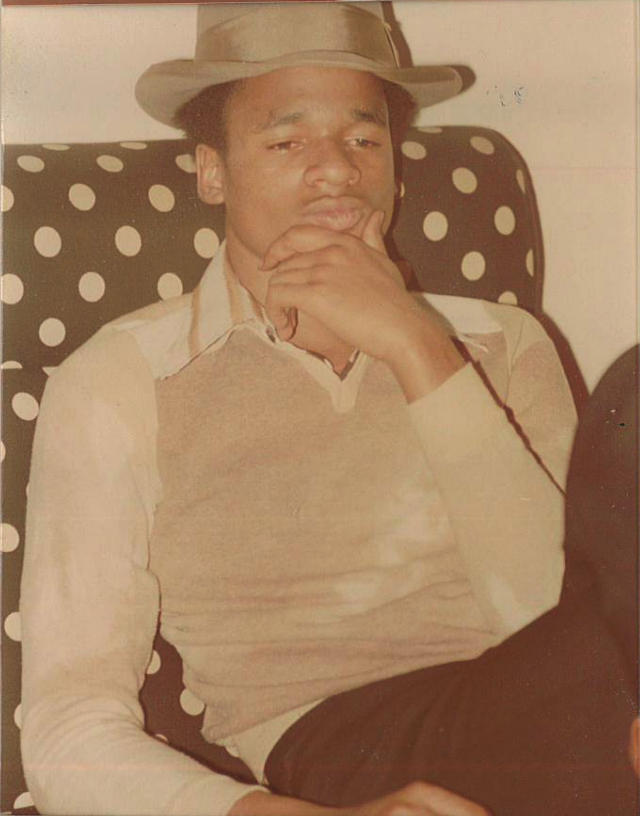
(1978) At the cast party for the River Niger
Right out of high school, Rodney joined the Air Force at 17 and would ultimately make his way to Nevada, being stationed at Nellis Air Force Base. During his service he had the opportunity to perform at the Air Force Worldwide Talent Competition. Touring and performing with the team for several months. He would leave the Air Force in 1984, determined to make it in Las Vegas. The early jobs were demanding; often he returned to the unemployment office for more work.
It was there he overheard an older guy say, "You know, if you work in a kitchen, you'll never go hungry." He landed his first kitchen job at the once iconic TGI Fridays on Flamingo Road and Spencer Street. That “was a Nexus point for me. Everything else that happened to me in Las Vegas is connected to that job. Every cooking job I got after that was because of someone I knew who worked there. I met my son's mother while working there. I gained a network that set me up for success for years to come.” Poetry and theater were never far. It was through creativity and expression that Rodney could breathe. He did a few plays with Jacob's Ladder Theater Company, a couple at Reed Ripple. Rodney was cast as Private Peterson in the Las Vegas Little Theater’s production of “A Soldier's Play.” For a time he even had an agent, picking up extra work—most notably a walk-through on “Hill Street Blues.”
Rodney soon found his way to the South Maryland Parkway scene fueled by UNLV students, tourism, thriving venues, local artists and artists relocating to Las Vegas from all over the world. They and the scene were coming together to create, perform and be a community. Rodney started reading poems at the Newsroom, then “The Newsroom morphed into Espresso Roma. Roma was the Mecca for the arts. It was right across the street from UNLV, and so many talented artists, musicians and writers hung out there and did their thing.” It’s where his poetry took off among a hotbed of other poets.
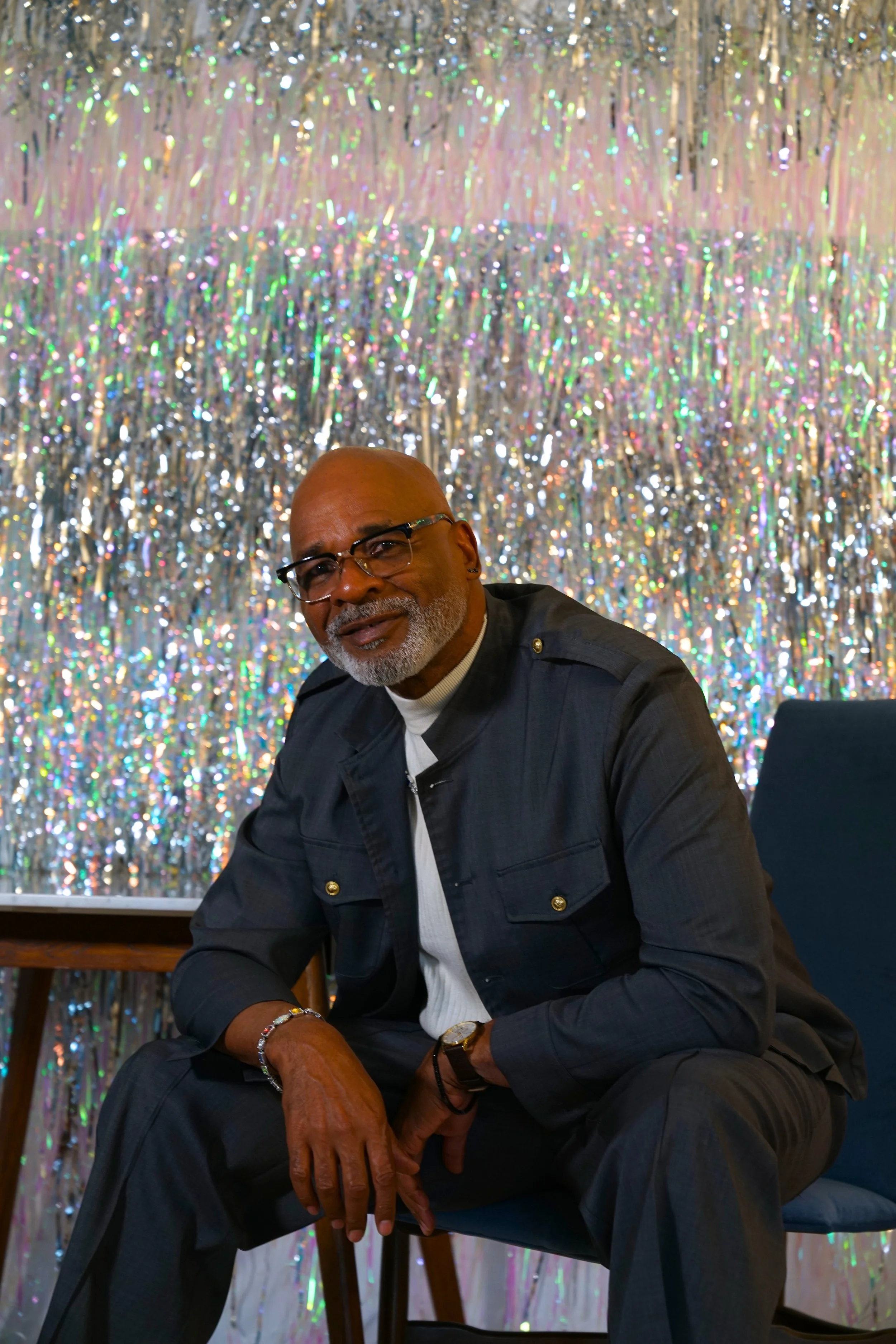
Bruce Isaacson jumped into the foray in 1995. He was moved by how Rodney incorporated facets of his experiences and keen understanding of how “in young people, particularly from disadvantaged communities, process language and culture bias… how important it is for young people to hear the language they hear at home in education. And how failing to do that puts kids at odds with the culture generally.” Through Zeitgeist Press, Bruce has published three of Rodney’s poetry collections. The two of them serve together on the board of Poetry Promise Inc., a nonprofit that brought about the Poets in the Schools program, which Bruce tells me, “paid working poets hundreds of thousands of dollars to bring the excitement for language into learning. He’s trained the poets who work with students. Rodney’s knowledge and example, his example, are a profound contribution.”
I’m thinking about all this before Rodney starts to read. It’s a sliver really, of the man, the artist. I’ve been listening to Rodney's poetry for about a decade now. One of his monikers on stage has been Teach. No doubt connected to his work with incarcerated youth and the 30 years he spent in the Clark County school district. Harry tells me, “Rodney never stops teaching. I don't think he can help it. The best part is he’s an amazing teacher with a powerful understanding of humanity and has reckoned with the dynamics of being different.”
Rodney has reinforced through his poetry and steadfastness the power of vulnerability. I struggle with even pronouncing the word vulnerable. A physiological idiosyncrasy or really, a tell, that I have battled to be open, susceptible to harm, physically and/or emotionally, to be vulnerable has been viewed as a sign of weakness. This taught toughness (not mutually exclusive to boys) can simultaneously keep you alive all the while destroying you. Rodney is a part of a wave that is happening organically; it seeks changes within, which in turn changes, what happens outwardly in your environment.
In an early conversation about this profile with Rodney, he asked me if I’m in contact with my family. He said I should call them, tell them that I love them. “You don’t know how long they will be around. Forgive them.” I’ll note that while Rodney is saying this to me it is not just for me, it is for all of us. I see that as I follow the tears from his eyes.
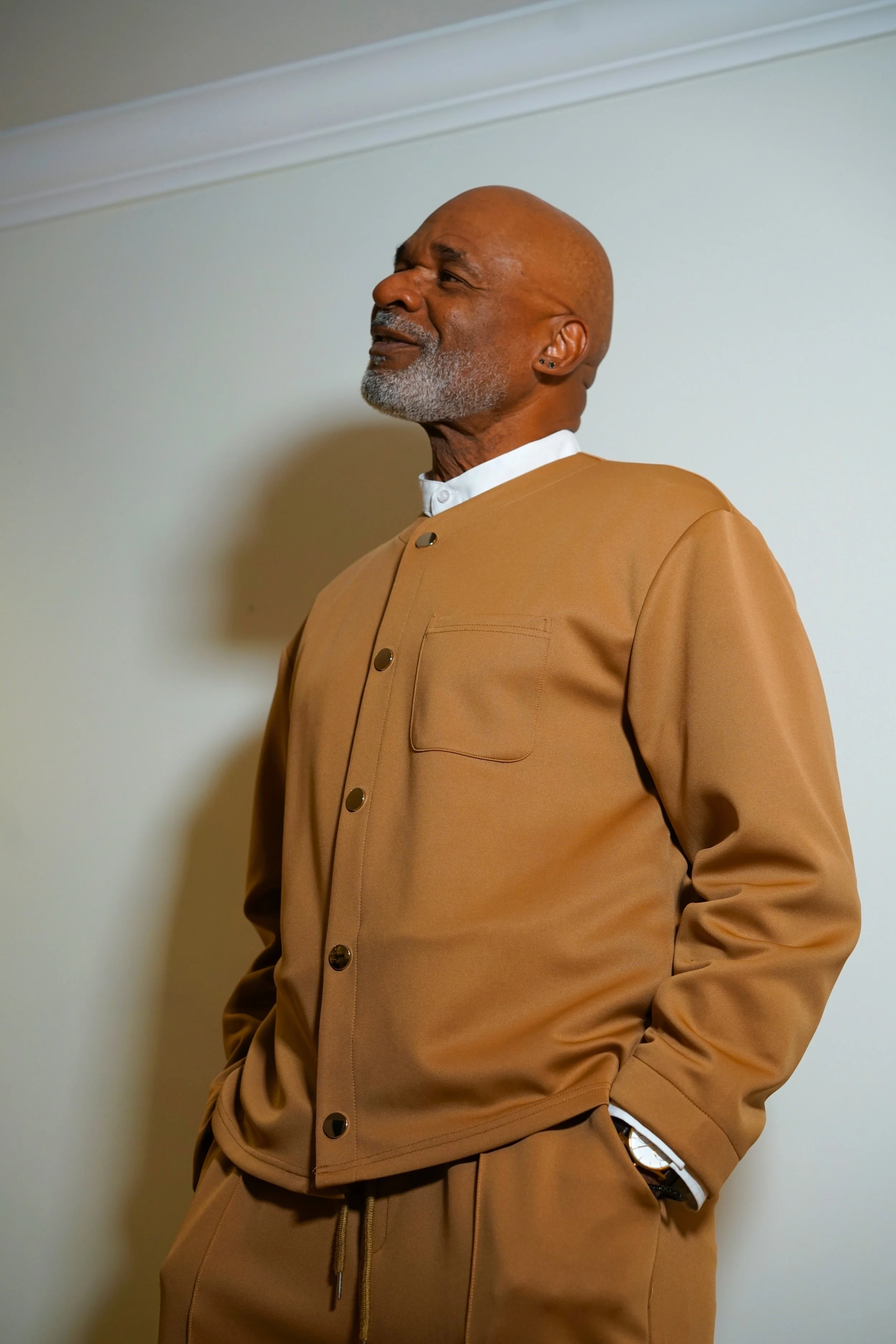
In Rodney’s writing, he interweaves cosmic landscapes, the hero's journey, myths and Greek gods to unveil the complex intricacies of life and family. I’m watching Rodney J. Lee standing in the center of the lounge as he says, “We’re all broken people. From broken families. From broken homes.” He opens with the prologue of his book, “Broken Pieces,” where those pieces “coalesce into a galaxy of resilience/Together—sparkle/Bridging dark spaces with light.” It sets up the book brilliantly all the while simultaneously alluding to the conclusion of “Soul Brothers.” What I marvel about listening to Rodney read this night is the timbre of his voice, how enveloped it is with the words from the page. If you’ve heard Rodney before, it is the sound of his voice that gets right to you, gut to gut, before you can receive any of his thoughts into your mind. Yet here, he is a quiet storm moving through selected pieces from his book. I can’t help but look around at the audience, some who just happen to be here, each person taking it in, the words, rhythm, odyssey that is within “Soul Brothers”, a journey that you willfully ride along for, finding yourself in the universal experience, like unique stars in a shared galaxy. Where others find notoriety as a measure of success, Rodney J. Lee seeks connection. Tonight, the poet succeeds.
Connect with Rodney via @bigsocrates1962
Listen to his TedXTalk HERE.
And buy his book “Soul Brothers” HERE.