Après Unwelcoming
Going Off-Piste at Lee Canyon Ski Resort
By Victoria Koelkebeck
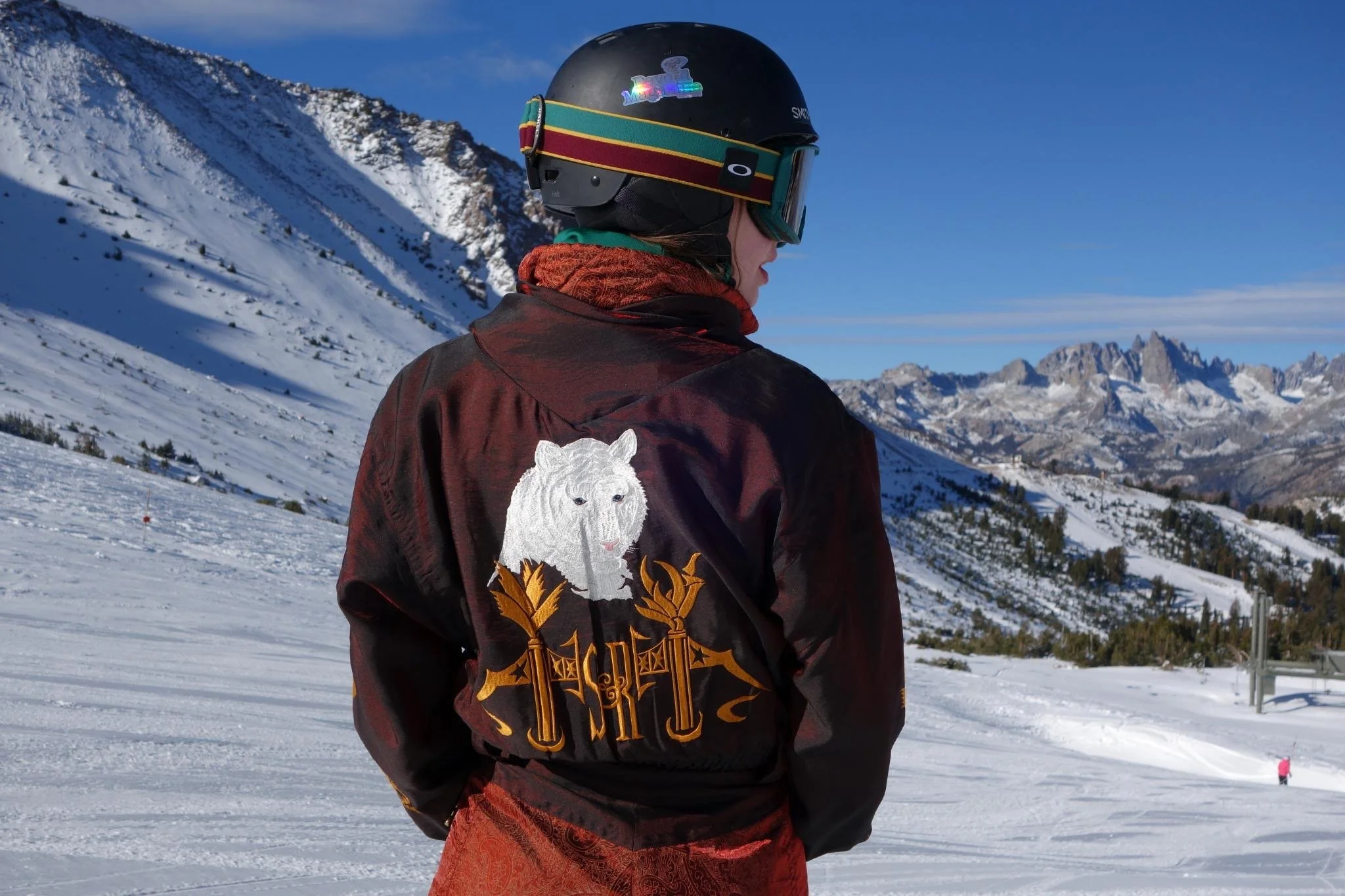
Victoria Bringing Las Vegas ski vibes to the slopes with a Siegfried & Roy suit.
Editorial Note: This is a reported personal essay based on firsthand observation and interviews. Claims about wages, staffing, equipment and workplace practices reflect source accounts and are unverified. Labor disputes at other resorts are cited from published reporting.
I started writing this story during the winter of 2024–25. It was a rare, generous season—snow clinging to the pine branches lining all the way up the road to Lee Canyon Ski Resort. Parking far from the entrance, I pulled on my hot-pink ski suit in the cold, stuffing my backpack with the essentials: an Uncrustable, camera and my giant laptop. I was ready to make my way toward the Base Area.
That Tuesday, clouds of marijuana rode the breeze. I thought about the other ski resorts I’d visited—the chaos of drop-off zones, kids screaming under the weight of their gear, parents panicking at ticket windows. Some version of that existed here too, I’m sure, but it was less present over DJ Lil’ Boss blaring music off the canyon walls. Her bedazzled fringe coat caught the light as she danced on the Bristlecone Lodge deck—overlooking the end of The Line and The Strip runs where skiers and snowboarders shuffled toward lifts.
Lee Canyon Ski Resort (LCSR) exists in a way that feels improbable. After about 40 minutes to an hour driving northwest, one sharp left turn winds you into a snow globe tucked above Las Vegas. I’ve skied at resorts in Utah, California, Wyoming, Andorra, and Spain, but LCSR has a uniquely wholesome vibe—a collision of snow-curious desert dwellers, mellow mountain regulars, and dogs. Lots of dogs.
Below the stairs leading up to the lodge, a woman from the British Virgin Islands filmed her family as they hurled snowballs at each other for the first time. Two enormous, floofy pups named Zorro and Brûlée sat nearby watching the organized chaos at the base of the run—the falls, the wipeouts, the vapes, the regrouping before the next lift.
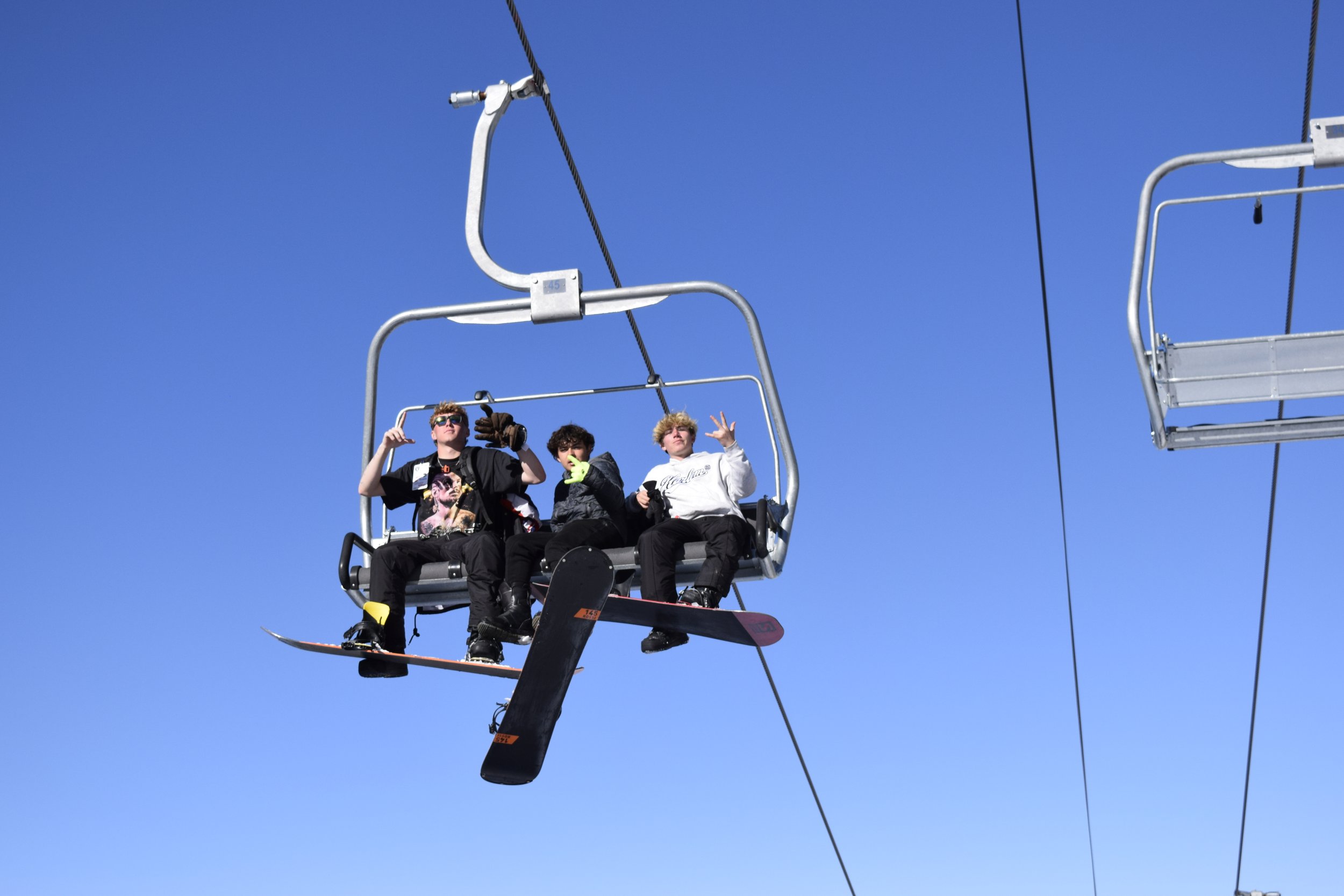
Young people doing young things with their hands.
The runs are…okay. You might scrape a rock or catch an exposed root, but nearly every lift ride carries the same refrain: for this to be so close to Vegas—it’s incredible. And that season, the snow was fantastic.
I met up with one of LCSR’s guest-facing representatives—a bearded man with a faint goggle tan line etched into his face. His bright white teeth were easy to spot barreling downhill behind a spray of snow. We conducted interviews on the lifts, and I asked him about how things were done on the mountain—details that ended up getting buried in the snow, but we'll unpack that later.
I posted up next to a hill to photograph riders grinding down rails and doing jumps. There’s a remake of the “Welcome to the Fabulous Las Vegas” sign nearby. I caught a snowboarder mid-air. Click.
“Is it okay if I took your picture?” I asked afterward. I told him I was writing an article about snow sports and culture.
Jared gave an enthusiastic yes, then offered to talk.
We sat in a small circle of Adirondack chairs nearby. I was winded—lugging gear in the snow in ski boots will do that.
“So,” I said between breaths, “you mentioned snowboarding changed your life?”
Jared looked up at the hill, beaming.
“This is my first season,” he said. “I’m 34 years old.”
He told me he’d started snowboarding just two months before his birthday. He hadn’t done much that felt exciting before then. He’d always been “on a board”—mainly longboards, getting from place to place—but never as a real hobby. Ever since Johnny Tsunami, he’d wanted a snowboard, but money had always been tight. Eventually, a friend offered him a used board on a payment plan.
His first time snowboarding, Jared made it through the whole day without falling. The next day every muscle reminded him of the bends turns. And he just kept going. Taking trips to Lee Canyon, getting a little better after each ride. But eventually it all clicked—enough that now he was trying to ride rails and do jumps.
“I wasn’t a very positive person before this,” he said. “I didn’t really wanna do much. I was depressed about money, life…the system. I don’t love money like that—which is probably why I never had much of it.”
He paused, “But luckily in my life, I have had a lot of love. I've been blessed with very good friends, a family and my daughter loves me. You know?”
“Maybe this is what I needed,” he continued. “If you’re feeling negative—maybe go buy a used board. Do something you always wanted to do. I’ve waited my whole life for this.”
He added, “I'm just excited to, like, have a new hobby and be able to talk about snowboarding to somebody who's passionate about it too, and just passionate about life—like going out there, and getting stories from people.”
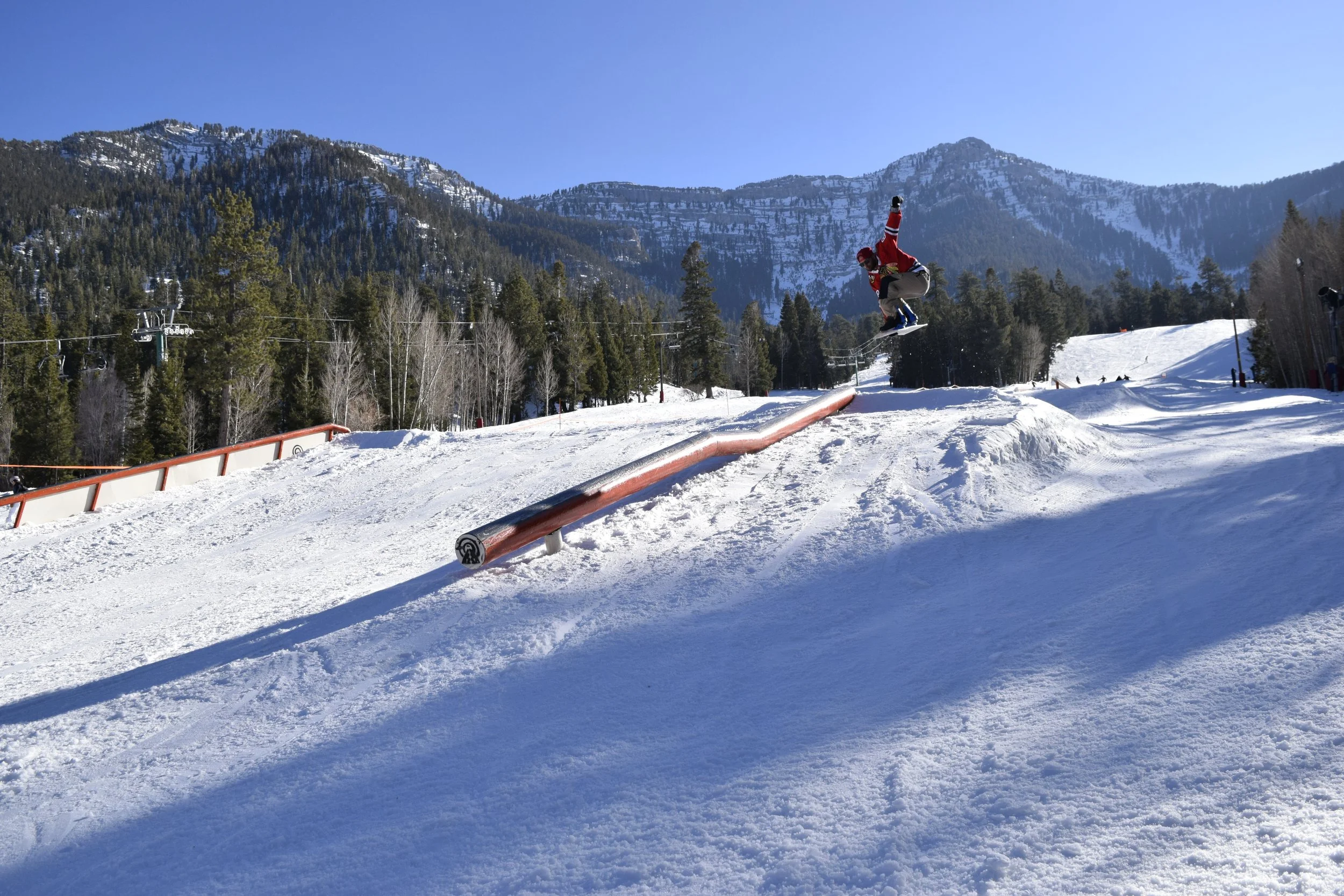
Jared—just shreddin’
Most of the people I spoke to on the mountain were like that—open, generous, eager to talk, even to someone they just met about snow as an escape from daily life in Las Vegas.
I caught another guy, Manny, on the lift. He shouted to me from the left side of the chair, “Today's a good day! Got my homies with me—and we just planned this last night.” He looked at his friends and asked, “It was smooth, right? [From] my door to the lift in one hour. Can't beat it, right? Where else you gonna do that? Everyone's in a good mood and after this we're gonna play poker.”
I replied, “That's a very Las Vegas day for you.”
He agreed, “Yeah, if only we can fit some golf in between!”
One of his friends, I learned, knew people from my high school—all the way in Maryland. That small-town overlap—unexpected, grounding—is part of what made LCSR feel approachable. It’s the kind of place where you can get lost in the trees in the winter and glide down the runs in a swimsuit on a bluebird spring day.
I was looking forward to photographing the annual pond skim in April—when skiers and snowboarders attempt to glide across a man-made pool in increasingly ridiculous outfits (please look it up).
But my last day at LCSR came sooner.
It was a powder day in March. I brought Tyler (our staff photographer) with me to ski and help take pictures. I was exhausted—out of shape, struggling to keep up in the thick snow. I stopped by the ski patrol shack at the top of The Line to drop off some stickers and introduce myself. They radioed the main ski patrol location and we began our descent to the base of Rabbit Peak to talk to them.
We introduced ourselves to a ski patrol representative and asked to vet questions together for the broader patrol. I began with day-to-day operations, then shifted to the inherent risks of skiing and how patrol helps keep a diverse range of people safe on the mountain. The vetting process went smoothly until I raised my next question, framed by my experience witnessing the largest ski patrol unionization effort in U.S. history at Park City Mountain, where I had lived for several years.
“Do ski patrollers here feel they’re paid competitively and fairly?” I asked.
Their tone shifted, their posture stiffened and they said they wouldn't discuss anything like that.
Sensing the unease, Tyler and I pivoted, offering alternative questions they might be more comfortable with. They appeared upset and shared that a patroller had recently died in the line of duty, then asked whether management knew what kind of article I was writing.
I expressed my condolences and explained that we were simply vetting questions and could adjust or go off the record if needed, as I had done earlier with the LCSR team. I emphasized that I wanted them to feel comfortable with the piece and shared my contact information.
Back in the car, we wound down the mountain until I had cell service. I called another resort rep I’d been coordinating with. They answered, but were equally as cold. They said they didn’t have time to talk—and that I was no longer welcome at LCSR.
I was shocked, “Okay… can you tell me why?” I asked.
“Because you misrepresented your intentions,” I was told. “You suggested our ski patrol was grossly underpaid and should unionize.”
The leap from being competitively and fairly paid to being grossly underpaid and told they should unionize felt overstated. I tried to clarify what was said at Ski Patrol. They told me I could email an appeal to management.
The pass they gifted me to help write the story was promptly deactivated and my appeal email went unanswered.
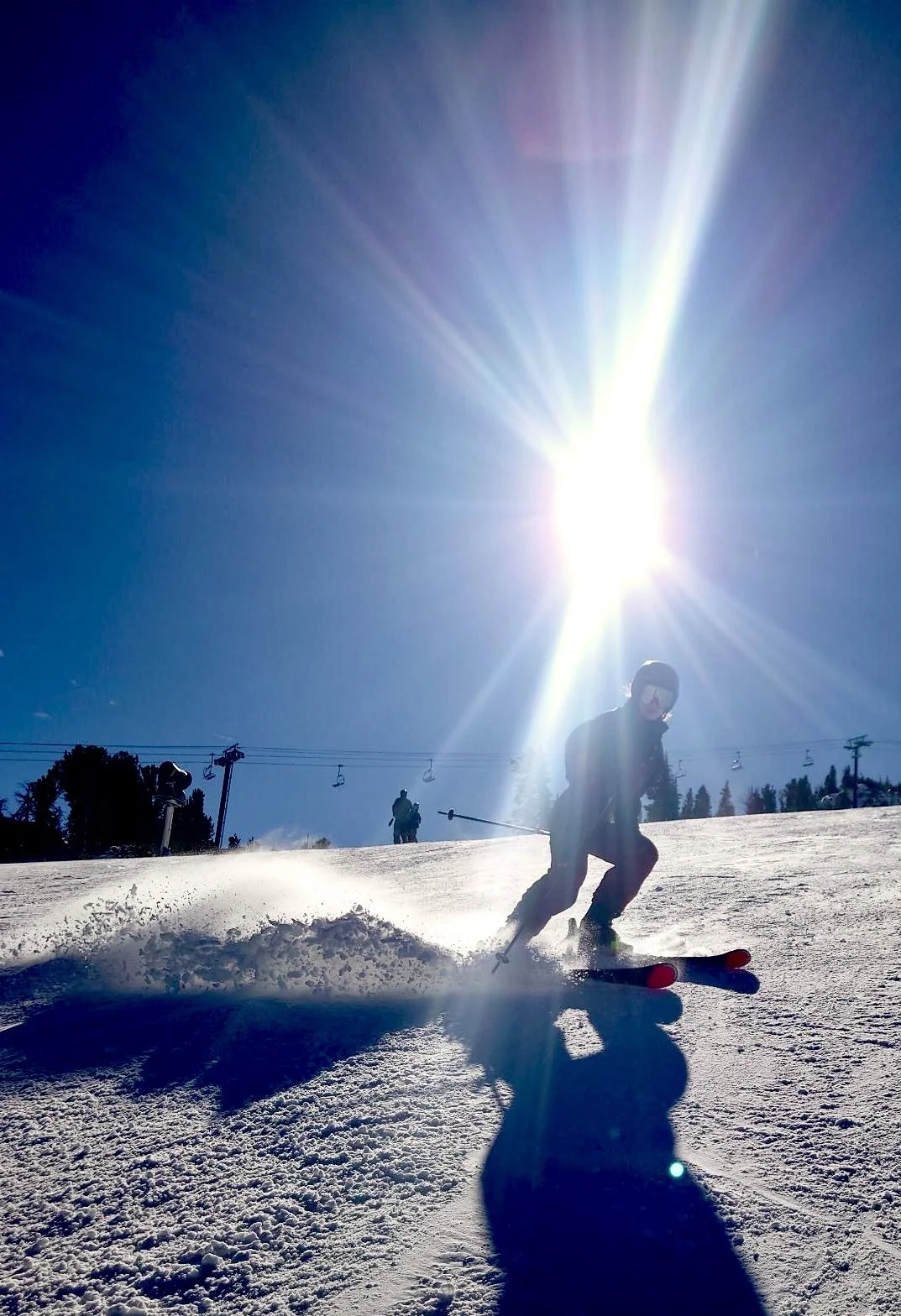
Après unwelcoming, I started exploring explanations for this interaction from outside the resort.
The Lee Canyon Ski Patrol is “a dedicated group of around 40 skilled skiers and snowboarders committed to ensuring the safety and well-being of outdoor enthusiasts,” according to LeeCanyonSkiPatrol.org. Their mission is “to offer a secure and enjoyable experience for visitors at Lee Canyon on Mount Charleston.”
While the job is often marketed with promises of “first tracks after fresh snowfall” and the appeal of working where you play, the reality is both physically and mentally demanding—and frequently comes with higher-than-average costs of living in mountain towns.
To be part of the ski patrol, one must complete annual training, obtain safety certifications—often paid for out of pocket—be trained to use dynamite or other explosives for avalanche mitigation, and provide medical care in dynamic, high-risk conditions, all on top of being a proficient rider.
According to an anonymous source, introduced later in this piece, LCSR starts ski patrol wages at $16 per hour, with a one-dollar increase for each returning season. Data from the Bureau of Labor Statistics places the national average wage for ski patrollers at $15.07 per hour, meaning LCSR’s starting pay is modestly higher than average.
That raises a question: why did a straightforward inquiry about wages—framed around fairness and competitiveness—prompt such a strong response? This was not intended as a “gotcha” moment. The reaction may instead reflect broader tensions playing out nationally around labor, pay transparency, and worker advocacy.
Months before starting this piece, “Two-hundred ski patrollers in Park City walked off the job on Dec. 27, 2024,” bringing America’s largest ski resort to a standstill as 70 percent of the mountain's terrain was closed due to lack of experienced workforce,” according to 5280 Magazine.
Following the strike, the unionized Park City Ski Patrol Association raised wages for entry-level patrollers by $2/hour and tenured patrollers by up to $4-$7.75/hour according to Park Record. Factoring in the increase, the new starting wage is rumored to be about $23/hour.
As this article is being drafted, yet another ski patrol strike has just ended at Telluride and Mountain Village. After a contentious 13-day work stoppage, the strike laid bare just how tightly the local economy is tied to its workforce—and ultimately resulted in new contracts for ski patrollers, according to The Colorado Sun. The ripple effects were immediate and personal.
“We are fucking terrified. We can’t sleep. It’s affecting our families,” said Chris Fish, co-owner of Telluride Brewing Co., during an emotional joint town council meeting. “I respect that the patrol deserves a livable wage—we all do. It’s a bloodbath. As a business owner in town, it’s gnarly, and everyone needs to wake the fuck up and make a deal.”
And this doesn’t appear to be a new conversation, the fight for wages can be traced back decades, with one of the earliest recorded strikes taking place in Aspen in the early 1970s. On Dec. 22, 1971, “40 ski patrollers represented by the Teamsters union walked off the job, demanding higher wages and a guarantee that all patrollers would be represented by the union going forward,” according to 5280.
Fifty-five years later, a question about fair pay cost me access to more sources, more stories and to LCSR’s collaboration. And it seemed like no one wanted to talk about that—or anything else. The once open community went quiet.
But later, the stickers I left onsite with my number on the back brought me someone willing to discuss. We’ll refer to them as “Sal Vation”—since they’re a former ski patrol at LCSR. They agreed to speak only on condition of anonymity, citing concerns about professional repercussions.
We met at a Starbucks on the east side of town. Sal told me how the ski life found them fresh out of college—seasonal work for small pay and a free pass. They journeyed from one resort role to the next—eventually earning all the necessary certifications to become a ski patroller.
Sal described significant challenges during their time on LCSR’s patrol. Pay was a major concern, but far from the only one. Understaffing was an issue—“they’ll keep [the resort] running with bare-bones staff, which is just pretty insane. You generally need at least four people to do a body carry, and you might only have three staff available.” They also described outdated or insufficient safety equipment, including avalanche beacons beyond recommended replacement timelines, expired glucose tabs, and reused shin splints, compounded by harsh conditions in patrol shacks.
These accounts could not be independently verified through documents or additional on-the-record sources. LCSR did not provide documentation in response to these claims, and the resort disputes anonymous and unverified allegations.
While most people have frustrations from past jobs, ski patrol work carries risks that go far beyond ordinary workplace inconveniences. Avalanches are one of them. While relatively infrequent at LCSR, they do occur. Most recently, an avalanche in 2024 was captured by guests and circulated widely through local and national media, showing a mass of snow moving downslope as skiers and snowboarders looked on.
“I lost a friend in an avalanche,” Sal shared. “That reshaped my view of the mountains. It pushed me to become a better patroller—to seek more knowledge and try to do things better.”
Speaking with Sal, it was clear that while they were willing to describe the challenges of their former role, their account was also shaped by a deep love for the mountain—its memories, its community, and the hard things made possible at LCSR. They said they agreed to speak not out of bitterness, but in the hope that conditions might improve for the ski patrol they left behind.
I reached out to several current members of LCSR’s ski patrol to ask about their experiences working and recreating on the mountain. I called, emailed, Facebook messaged and left voicemails with local ski groups in the hopes that someone there might offer another perspective. My messages went unanswered.
I felt a brief sense of momentum when one former employee initially agreed to an interview. Their call never came. After several follow-ups, they said their attorney advised against an interview citing an ongoing court case involving LCSR.
With on-the-record voices locally proving difficult to secure, I widened my reporting beyond Southern Nevada to understand whether my experience was isolated—or part of a broader pattern. That search led me to Lillian Maslen.
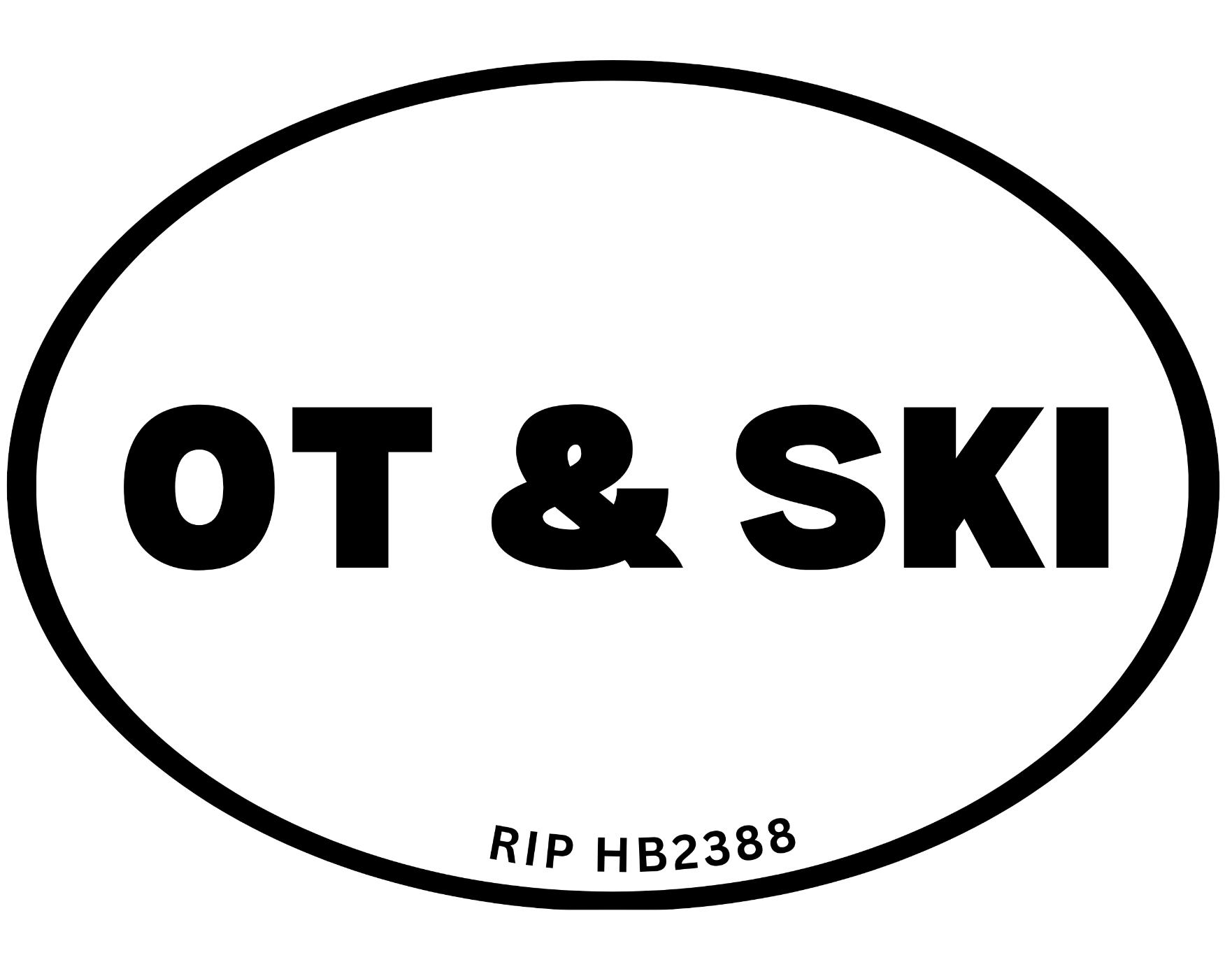
Stickers by Lillian Maslen.
Lillian worked at a ski resort in the Canaan Valley recreation area of West Virginia. While employed there, she followed the progress of House Bill 2388, which addressed whether seasonal ski area workers should receive overtime pay. Believing the answer was yes, she spoke openly about the issue with coworkers. Shortly afterward, she said, management informed her she was no longer welcome at the resort.
“All I did was speak up about something and ask questions and hand out stickers,” Maslen said. “Where people put the stickers is not really in my control. And, yeah—I think what it was about, for me, was being able to share something with employees that maybe didn’t know about what was happening.”
The ‘unwelcoming’ aspect of this interaction mirrored my own experience—where it’s unclear if a return is possible. The term carries a deliberate ambiguity, leaving the guest suspended in a gray area between permission and exclusion.
Lee Canyon continues to serve as the gateway to snow sports for Las Vegans. For some, like Sal—it’s where they learned to take risks, develop discipline, and build community.
Snow sports are inherently risky, but the Ski Patrol makes them possible for a diverse range of guests, turning danger into a managed, safer experience. Patrollers move deliberately toward uncertainty—sometimes directly into harm’s way—in service of others. These risks aren’t hypothetical; they are lived, moment by moment, on every run.
Sal recalled one such moment during an avalanche at the resort, when a guest was partially buried. “Everyone was really traumatized,” they said. “We had lifties on probe lines, soaking wet. One patroller traversed from the top of the other chairlift on skins, walked uphill in a blizzard to retrieve a toboggan, and put himself back in avalanche terrain to get someone out.”
Continuing, “Everyone up there puts their heart and soul into the job,” they said. “Having more access to education and training—and better equipment and resources—would help us do our jobs efficiently and effectively. Not just for us, but for the people we’re there to help.”
This article began as an effort to explore the culture of Lee Canyon Ski Resort and the people who make snow sports possible. That dialogue—with resort management and current employees—never materialized.
What remains are the voices that could speak, and the silence of those who could not. How we talk about labor—or choose not to—shapes the culture we build around recreation, risk, and responsibility. Even though I’ve experienced a wealth of silence around the topic, I hope that this is the beginning of the conversation, not the end.
Lee Canyon Ski Resort’s Statement: Lee Canyon does not comment on anonymous or unverified claims attributed to former employees. The resort respects and appreciates the work of its ski patrol and recognizes the demanding nature of their roles. Lee Canyon remains committed to providing a safe environment for guests while supporting its ski patrol and employees with training, resources, and operational oversight.